
Databricks Consulting
Establish a solid foundation for AI and analytics.
As organizations expand their use of analytics and artificial intelligence, the priority shifts from isolated initiatives to building a coherent platform.
Our Databricks consulting services ensure this platform is aligned with your architecture, operating model, and long-term strategy, from initial design through to optimization and enablement.

What Databricks can do
When implemented with a clear strategy, Databricks becomes more than a data platform. It becomes a stable foundation for analytics and AI across the organization.
To explore how Databricks can support your platform strategy, get in touch with our experts.

Reduced friction between ingestion, transformation, and analytics enables teams to move from raw data to decision-ready information more efficiently.

Clear ownership and governance ensure that teams work from consistent, reliable datasets rather than fragmented sources.

Consolidation reduces overlapping tools and duplicated pipelines, simplifying architecture and operational overhead.

Structured workload management and optimization reduce unnecessary compute and storage costs.

Standardized pipelines and lifecycle controls increase the likelihood that machine learning projects transition from experimentation to operational value.

Databricks provides a lakehouse approach that brings data engineering, analytics, and machine learning together on one platform. When designed thoughtfully, it simplifies the technology landscape while strengthening governance, performance, and cost control.

Where Databricks consulting makes the difference
We design scalable, cloud-native lakehouse architectures aligned to your data domains, workloads, and long-term modernization goals, not generic reference patterns.

Lakehouse architecture & blueprinting
Our teams build reliable batch and real-time pipelines using Delta Lake and Structured Streaming, supporting both operational and analytical workloads on a shared foundation.

Ingestion & streaming strategy
We implement Unity Catalog, lineage, access policies, and compliance-ready controls so governance is built into the platform, not added later.

Data governance
This includes designing cluster strategies, workload isolation, and scaling models that balance performance with predictable, transparent cloud spend.

Workload & cost optimization
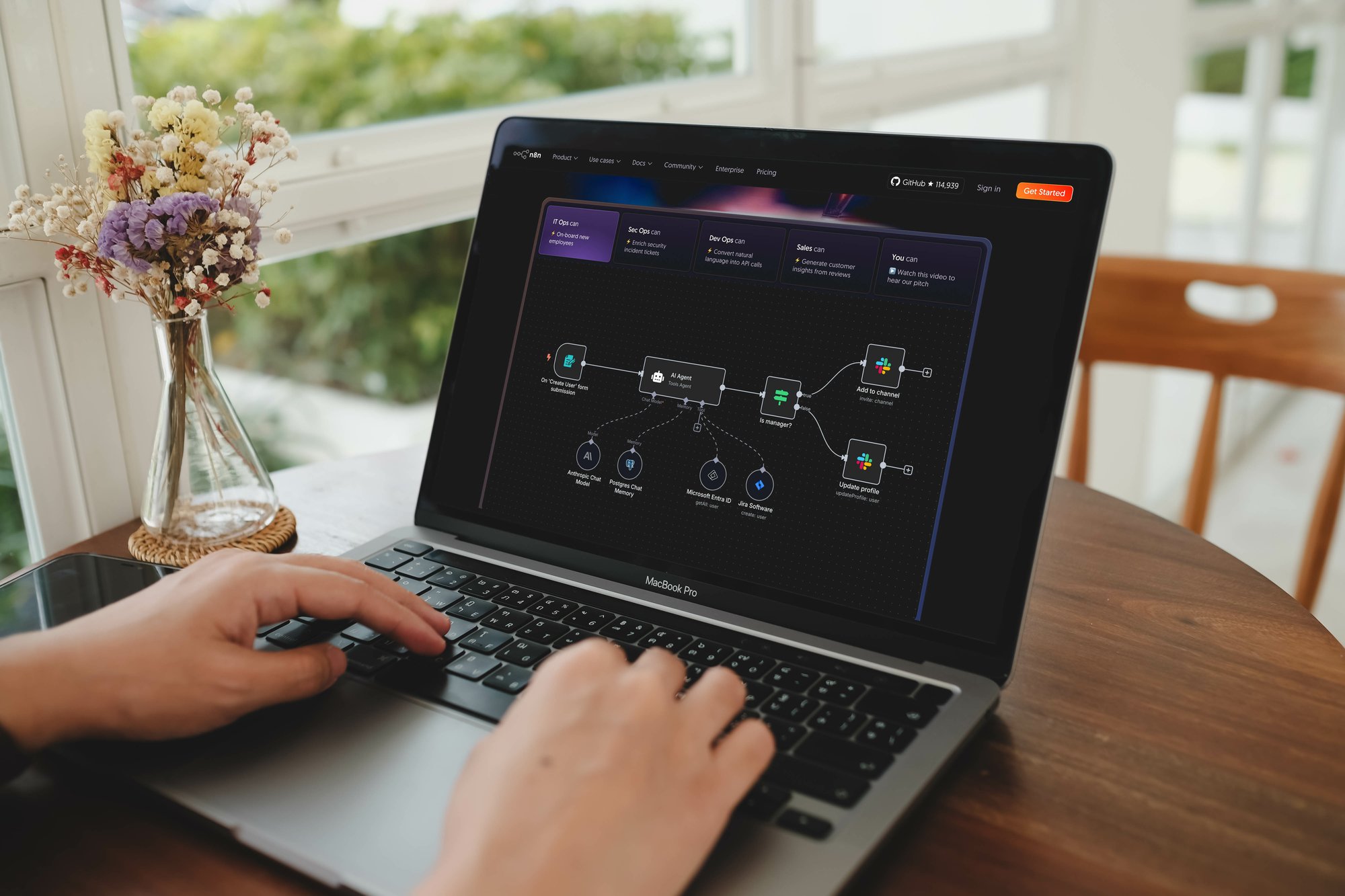
We establish repeatable processes for model development, deployment, monitoring, and retraining, all fully integrated into the lakehouse environment.
ML lifecycle & MLOps
Beyond technology, we support platform ownership, data product thinking, and cross-team collaboration through training and clearly defined governance structures.

Operating model & enablement
Common architectural mistakes in Databricks implementations
Databricks is a powerful foundation for data and AI, but early design decisions shape long-term performance, governance, and cost. Without architectural discipline, platforms can quickly become fragmented or expensive to operate.
Several patterns commonly appear as environments scale.

Recreating legacy Spark patterns inside Databricks limits consolidation and undermines the lakehouse model. The result is duplication rather than simplification.

When raw, curated, and serving layers are not clearly defined, pipelines become tightly coupled. Maintenance effort increases and confidence in data quality declines.
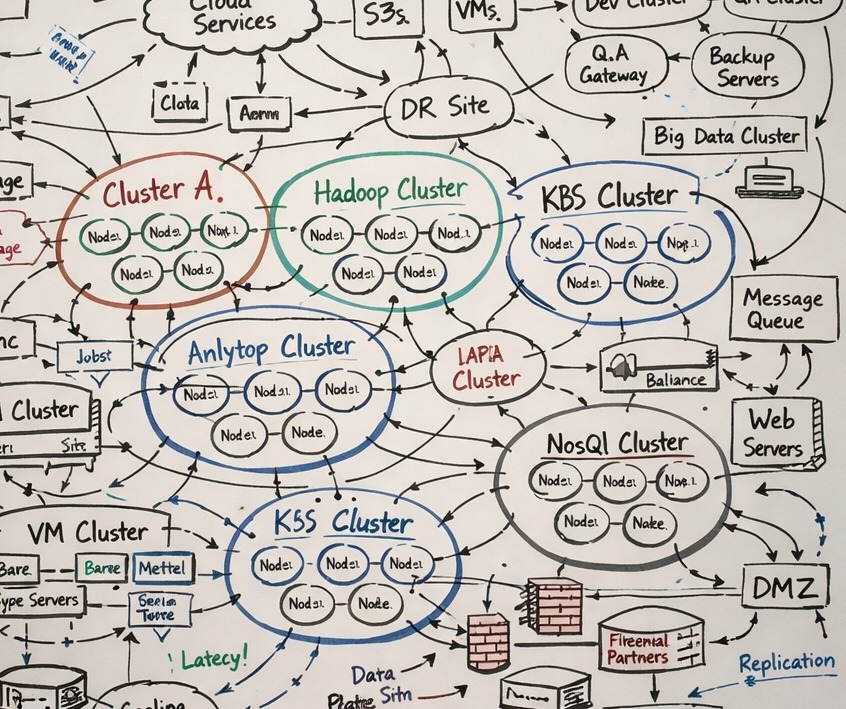
Ad hoc cluster creation and inconsistent configuration lead to unpredictable performance and escalating cloud costs.

Using notebooks as primary production artifacts introduces versioning gaps, limited automation, and operational risk.

Adding Unity Catalog, lineage, and access controls after rapid expansion is significantly more complex than embedding governance from the start.

Separating data engineering decisions from AI and MLOps strategy creates friction later. Platform design should anticipate model lifecycle and monitoring needs.
Industry use cases

Retail & e-commerce
Unifying transactional, behavioral, and supply chain data to support personalization, forecasting, and performance analytics.

Banking & financial services
Designing governed analytics environments for regulatory reporting, fraud detection, and risk modeling.

Manufacturing & industrial IoT
Integrating telemetry, operational, and enterprise data to enable predictive maintenance and performance optimization.

Healthcare
Supporting secure, compliant analytics platforms for clinical data, research insights, and operational reporting.
Why Mimacom
Mimacom supports organizations in building scalable, governed data platforms on Databricks. Our consulting combines lakehouse architecture expertise, cloud engineering discipline, and practical experience operationalizing analytics and AI at enterprise scale.

Lakehouse & cloud expertise
We design structured Databricks architectures aligned to your data domains, workloads, and cloud strategy. Engineering, analytics, and AI are integrated within a coherent, scalable foundation.

Governance & engineering standards
We embed CI/CD, MLOps, access controls, and cost management into the platform from the outset. Governance and performance are built into the architecture, not retrofitted later.

Long-term platform evolution
We support optimization, expansion, and new AI use cases as your platform matures. The goal is sustained performance, controlled spend, and measurable business impact.