
Grafana Consulting
Turn data observability into true clarity.
Whether organizations are introducing Grafana for the first time or extending an existing setup, the challenge is the same: turning technical data into reliable insight that supports daily operations and long-term decisions.
Grafana consulting provides structured support across this journey, from initial platform design to ongoing optimization and enablement.

What teams expect from a Grafana platform
Teams turn to Grafana to make complex systems understandable and manageable in day-to-day operations. As environments grow more distributed and dynamic, Grafana is expected to scale in clarity and usefulness, not complexity.
To learn more about the possibilities, get in touch with our experts.

Operational clarity
A clear and consistent view of system health and performance, enabling teams to understand what is happening across services and environments at any moment.

Actionable workflows
Dashboards and alerts that support day-to-day operational and engineering workflows, helping teams detect issues, respond effectively, and improve reliability over time.

Scalable transparency
Observability that scales with cloud-native and hybrid architectures, while providing transparency around performance, reliability, and cost as systems evolve.

Introducing Grafana is often the first step toward observability, but observability itself is a broader capability. It requires decisions about what data to collect, how signals relate to services, and how insights are used across roles and teams.

Where Grafana consulting adds value
Designing Grafana architectures that reflect system complexity and anticipated growth, ensuring performance, reliability, and cost remain manageable as environments evolve.

Platform architecture & scalability
Selecting and integrating the right sources for metrics, logs, and traces so teams have a coherent, end-to-end view of system behaviour rather than isolated signals.

Data source integration
Structuring dashboards around services, teams, and responsibilities to create clarity, accountability, and shared understanding across stakeholders.

Dashboard design & ownership
Designing alerting that reflects operational priorities, helping teams respond to issues confidently without unnecessary noise or disruption.

Alerting strategy
Establishing conventions, access models, and governance practices that ensure consistency while allowing teams to work autonomously.

Standards, access & governance
Supporting teams through documentation, training, and practical guidance so they can work confidently with observability data in their daily workflows.

Team enablement
The impact of a well-designed Grafana platform
A thoughtfully implemented Grafana platform delivers value well beyond individual dashboards, supporting both day-to-day operations and long-term organizational goals.

Clear, trusted views of system behaviour enable teams to make faster, more confident operational decisions based on shared data rather than assumptions.

Well-designed dashboards and alerting improve visibility into service health, helping teams detect issues earlier and respond more effectively when incidents occur.
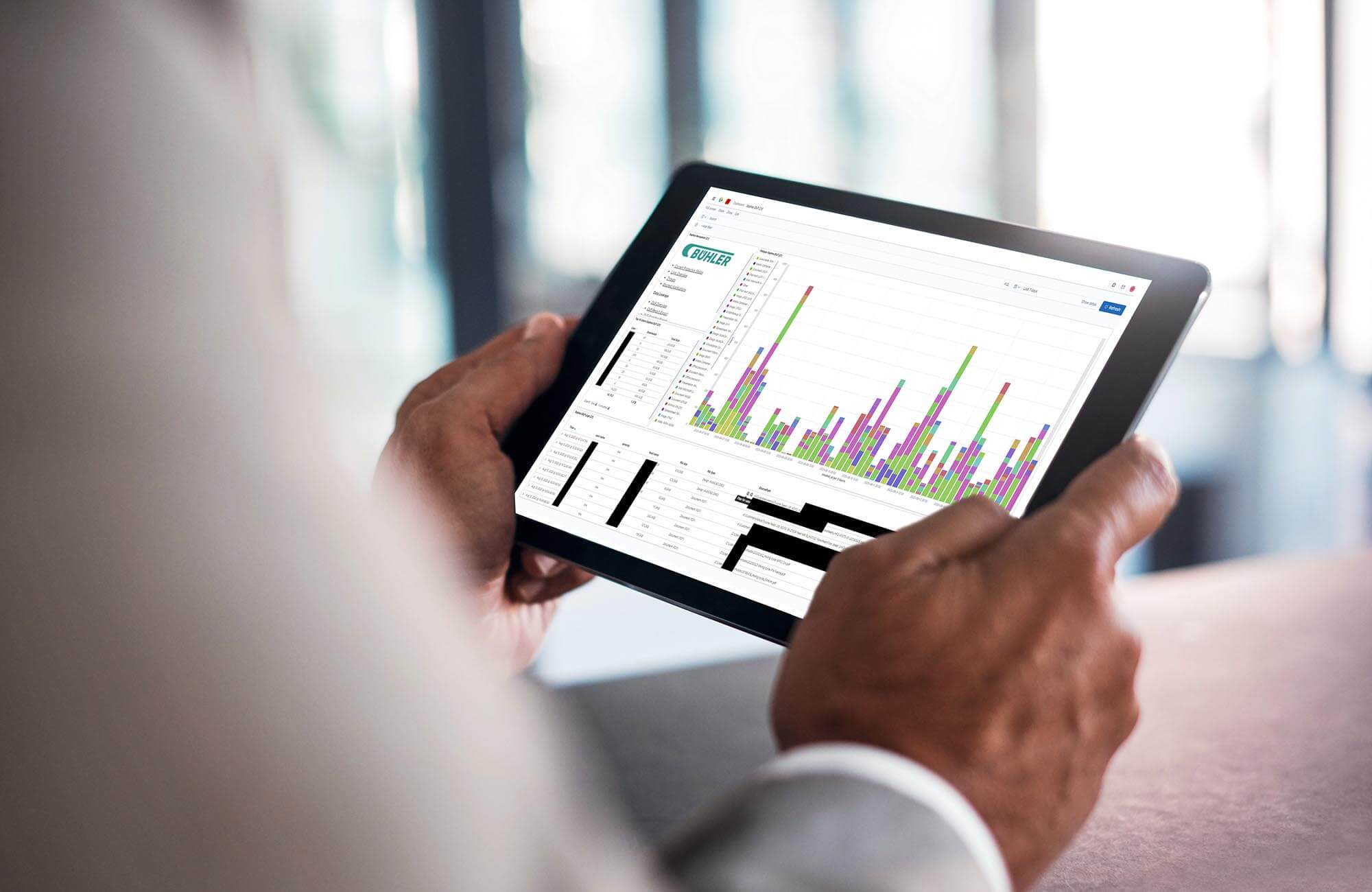
A consistent observability layer creates a shared understanding across engineering, operations, and product teams, reducing silos and misalignment.

By focusing on relevant signals and clear ownership, teams spend less time navigating dashboards and responding to unnecessary alerts.

A structured Grafana platform grows with systems and teams, supporting increasing complexity without sacrificing clarity or trust.
Our approach to Grafana consulting
We start by defining clear objectives and use cases, ensuring that platform decisions are guided by operational needs rather than tooling alone.

Strategy before configuration
Our work is grounded in open-source technologies and vendor-neutral principles, giving organizations flexibility, transparency, and control over their observability stack.

Open-source, vendor-neutral expertise
We work closely with internal teams throughout implementation and optimization, ensuring knowledge transfer, shared ownership, and solutions that fit existing ways of working.

Collaborative delivery
Grafana platforms are designed to adapt as systems, teams, and requirements change, avoiding static setups that quickly lose relevance.

Built for evolution
Industry use cases

Retail & e-commerce
Building dashboards and alerting that support high-traffic events, rapid release cycles, and performance monitoring of customer-facing services.

Banking & financial services
Designing Grafana platforms that support service reliability, controlled access, and consistent visibility across complex, regulated application landscapes.

Manufacturing & industrial IoT
Integrating metrics from infrastructure, applications, and production systems to provide shared operational views across IT and industrial environments.

Healthcare
Implementing Grafana with a focus on system availability, secure data handling, and clear visibility into platforms supporting clinical and operational processes.